Why waiting until “tax time” could be the most expensive decision you make all year
January is one of the most important months of the year for self-employed professionals, freelancers, consultants, and small business owners — and also one of the most misunderstood.
While many people assume tax season “starts” in February or March, the reality is that January is when the biggest tax mistakes are made. These missteps don’t usually come from doing something illegal or reckless. They come from waiting too long, overlooking strategy, or assuming that last year’s approach still works.
Every year, we see self-employed business owners lose thousands of dollars simply because they didn’t take the right steps early enough. The good news? Many of these mistakes are fixable—but only if you act before April 15.
This guide breaks down the most costly January tax mistakes and explains exactly how to fix them while you still have time.
At a Glance
- January is your last real opportunity to reduce last year’s tax bill
- Most self-employed tax mistakes come from inaction, not errors
- The IRS already has more information about your income than you think
- Overpaying self-employment tax is extremely common—and often avoidable
- Tax preparation and tax strategy are not the same thing
- Early planning creates savings; last-minute filing creates regret
Mistake #1: Waiting Until February or March to Look at Your Numbers
One of the most common and expensive mistakes self-employed individuals make is postponing their financial review until they “have everything.”
By January, you already have:
- Bank statements
- Credit card records
- Accounting software data
- Payroll summaries (if applicable)
What you don’t have yet — like all 1099s — doesn’t prevent planning.

Why this mistake is costly
Many tax-saving strategies are time-sensitive. Waiting too long can eliminate options such as:
- Retirement contributions that reduce taxable income
- Depreciation elections
- Entity-level planning decisions
Once April arrives, most planning opportunities disappear.
How to fix it before April 15
- Review your year-to-date profit and loss in January
- Estimate taxable income early
- Identify potential deductions and planning opportunities now
Bookkeeping & Accounting Services
Mistake #2: Not Understanding What Income the IRS Already Knows About
A dangerous misconception among self-employed taxpayers is believing that income only “counts” if they personally track it.
In reality, the IRS receives income data from multiple sources, including:
- Clients issuing 1099-NEC forms
- Payment processors like Stripe, PayPal, Square, and Venmo
- Marketplaces and platforms issuing 1099-K forms
Why this mistake triggers audits
When reported income doesn’t match IRS records, automated notices are often triggered—even if the difference was accidental.
Many taxpayers only realize this after receiving an unexpected letter months later.
How to fix it before April 15
- Compare bank deposits to expected 1099 income
- Reconcile processor reports with bookkeeping records
- Address discrepancies proactively instead of reactively
IRS Information Returns Overview
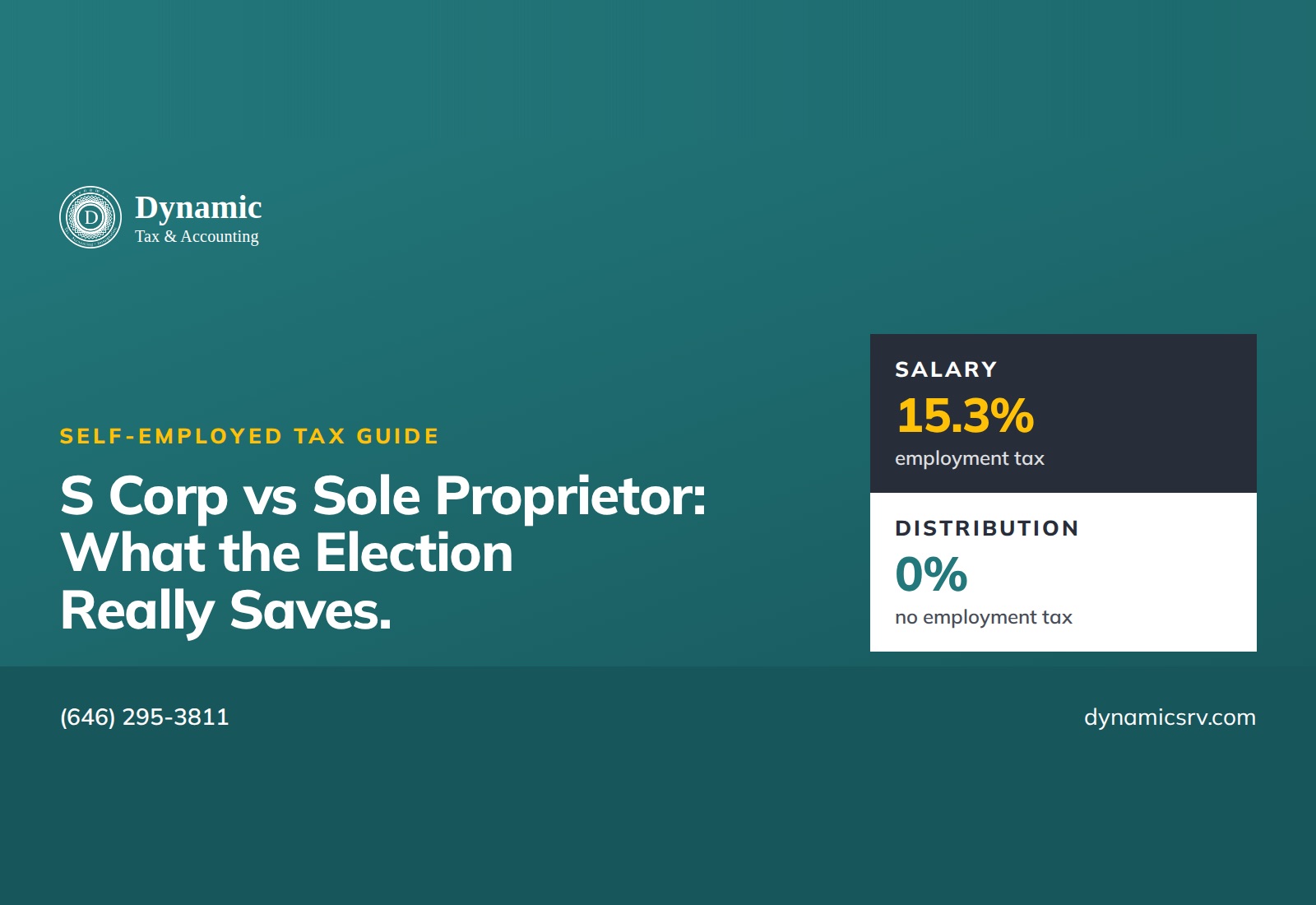
Mistake #3: Overpaying Self-Employment Tax Without Realizing It
Self-employment tax is one of the most painful surprises for new business owners—and even many seasoned ones.
By default, self-employed individuals pay:
- Income tax plus
- Self-employment tax (Social Security + Medicare)
This can push effective tax rates much higher than expected.

Why this mistake adds up quickly
Without proper planning, many business owners:
- Pay unnecessary self-employment tax
- Miss opportunities to restructure income
- Fail to plan for payroll vs distributions
How to fix it before April 15
- Evaluate whether your business structure still makes sense
- Analyze income levels and long-term projections
- Explore proactive tax planning strategies, not just filing
? Tax Planning & Strategy Services
Mistake #4: Missing Deductions That Can’t Be Recreated Later
Some deductions are forgiving. Others are time-sensitive and documentation-dependent.
Commonly missed deductions include:
- Business mileage vs actual vehicle expenses
- Home office deductions
- Software, subscriptions, and professional services
- Continuing education and certifications
Why January matters here
The earlier you review expenses, the easier it is to:
- Locate receipts
- Categorize transactions correctly
- Avoid “guessing” later
Once time passes, records get harder to reconstruct accurately.

How to fix it before April 15
- Reconcile expense categories now
- Gather documentation while it’s still accessible
- Review deductions with a professional, not just software
Mistake #5: Treating Tax Preparation as Tax Strategy
Perhaps the most expensive misconception of all is assuming that filing a tax return automatically means optimizing taxes.
Tax preparation focuses on:
- Reporting what already happened
- Compliance and accuracy
Tax strategy focuses on:
- Reducing future tax liability
- Structuring income intelligently
- Long-term financial efficiency
Why January is the strategy window
By April, most decisions are locked in. January allows time to:
- Model different outcomes
- Adjust retirement contributions
- Plan cash flow with taxes in mind
How to fix it before April 15
- Schedule a proactive tax strategy review
- Ask “what can still be done,” not just “what needs to be filed”
- Treat your taxes as part of your business strategy
Mistake #6: Ignoring Estimated Taxes and Cash Flow Planning
Many self-employed individuals focus solely on filing their return—while ignoring what comes next.
Without proper planning, business owners often:
- Underpay quarterly estimates
- Overpay and restrict cash flow
- Face penalties and interest later
How to fix it before April 15
- Review prior-year tax liability
- Adjust quarterly estimates proactively
- Align tax payments with revenue cycles
Why January Planning Changes Everything
January isn’t just the start of tax season — it’s the last chance to:
- Influence last year’s outcome
- Reduce stress during filing
- Turn taxes into a strategic advantage
Business owners who plan early don’t just save money — they gain clarity, confidence, and control.
How Dynamic Tax and Accounting Helps
Dynamic Tax and Accounting works with self-employed professionals, entrepreneurs, and growing businesses to go beyond basic tax preparation.

We provide:
- Proactive tax planning and strategy
- Bookkeeping and accounting support
- Business advisory services
- Year-round financial guidance
Instead of reacting at filing time, we help clients plan ahead, reduce unnecessary tax burden, and make smarter financial decisions.
January is the perfect time to align your tax strategy with your business goals—and avoid the mistakes that cost others thousands.
Don’t wait until tax season decides for you
If you’re self-employed, January is your opportunity to take control of your taxes before April 15 arrives.
Email: admin@dynamicsrv.com
Call: (646) 295-3811
Schedule a consultation today and turn tax season into a strategic advantage.
Bronx Office
- 2044 McGraw Ave., Bronx, NY 10462
Queens Office
- 168-29 Hillside Ave. 2C, Jamaica, NY 11432
Buffalo Office
- 1989 Clinton St, Buffalo, NY 14206
New Jersey Office
- 63 Union Blvd. Totowa, NJ 07512
Call us at (646) 295-3811
Email: admin@dynamicsrv.com
Contact us